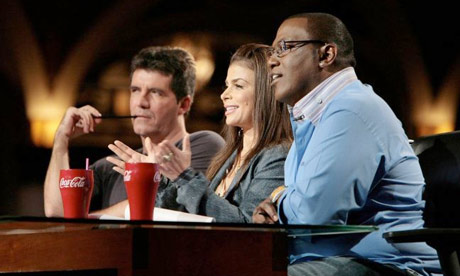
I’ve often wondered how much Coca-Cola the judges of American Idol drink. Placed perfectly in front of the judges is a glass with the Coca-Cola logo. With millions of people watching American Idol on a nightly basis, Coca-Cola gets their message across before the audience has time to change the channel during commercials. Since many advertisers know that many people simply don’t take in commercials, by placing the ads within the program, they improve their chances of success. This theory is known as product placement and can be seen in all sorts of media—books, television, video games, movies, music, etc. According to HollywoodBranded.com, “Product placement advertising is a proven method of developing brand recognition by presenting the brand’s logo, verbal mention or appearance of a product in an entertainment property.”
I’ve been watching the most recent cycle of America’s Next Top Model on a weekly basis and without fail, each episode contained some sort of product placement. When Tyra Banks lists the prizes to be awarded to the winner, she always mentions that the winner will be on the cover of Elle magazine. This concept works in the favor of both the reality show and the magazine. The magazine gets in-program exposure, while the show will get exposure to the readers of the magazine who do not already watch it.

One of the more famous product placements in the movie industry would be the service of FedEx in the 2000 movie Cast Away. Tom Hank’s character plays a FedEx employee and obtains his famous Wilson volleyball (another product placement) from a FedEx package. While FedEx neither paid nor asked for this product placement, they reported an increase in recognition in Asia and Europe, something they might not have been capable of obtaining without the connection to the movie. (Fred Smith, the CEO of FedEx, did, however get to make an appearance in the movie.)
Not only can product placement be used in the business world, but in the world of pop culture. Take Flo Rida’s song “Low” for example. The chorus of this hit song includes products such as “Apple Bottom Jeans” (a clothing company launched by fellow hip-hop artist Nelly) and “Reeboks with the straps”. These pieces of clothing may have already been staples of the hip-hop culture, but being mentioned in the song reinforces their cultural identity.
With all of the constant advertising and marketing thrown at audiences, marketers must keep finding new ways to get their products exposed. By having their advertisements take place between the commercials rather than between the shows, the likelihood of their reception increases. Product placement is a very powerful tool for marketers, and if used correctly can work even better than advertisements that audiences have already learned to tune out.

No comments:
Post a Comment